

Exploring the cultural impact of gambling on modern society
The Rise of Gambling in Contemporary Culture
Gambling has transcended its origins, evolving into a significant cultural phenomenon in modern society. The rapid growth of the online gambling industry, alongside traditional betting establishments, has reshaped how individuals perceive and engage with games of chance. With technology facilitating instant access to the Pin Up Application Download, more people are participating than ever before. This accessibility has not only normalized gambling but has also integrated it into the fabric of everyday life. For those interested in gaming on the go, https://pinup-bet-nigeria.com/app/ offers a user-friendly mobile experience.
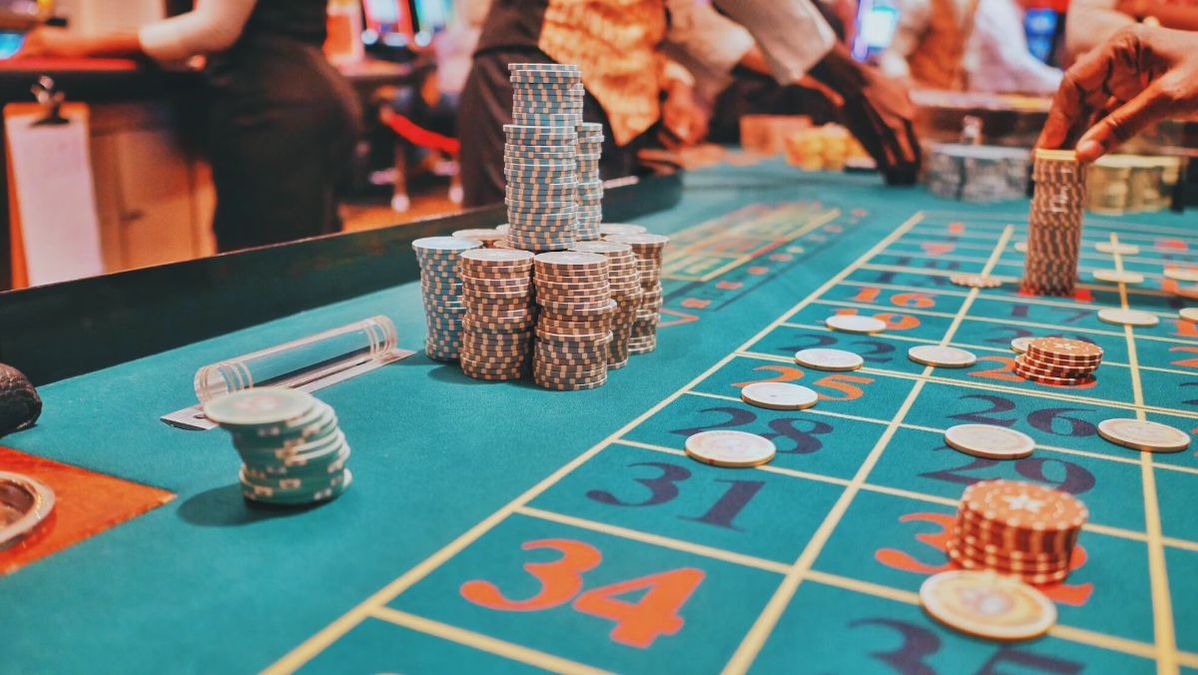
Moreover, the cultural acceptance of gambling is evident in various forms of media, from films and television shows to social media platforms. These portrayals often romanticize gambling, depicting it as an exciting and glamorous pursuit. As a result, society has developed a more complex relationship with gambling, oscillating between viewing it as a recreational activity and acknowledging its potential risks.
The Economic Impact of Gambling
The economic implications of gambling are substantial, influencing job creation, tourism, and local economies. Regions that have embraced gambling often see a boost in tourism, as attractions like casinos draw visitors from far and wide. This influx not only generates revenue for businesses but also creates employment opportunities in various sectors, including hospitality and entertainment.
However, the economic benefits come with challenges. Communities must address the social costs associated with gambling, such as addiction and its ripple effects on families and health services. Balancing economic gain with responsible gambling practices becomes crucial as societies navigate these complex issues.
Social Dynamics and Gambling
Gambling also plays a critical role in shaping social dynamics. For many, it serves as a social activity, bringing friends and family together for shared experiences. Events such as poker nights and sports betting gatherings foster camaraderie and bonding among participants. However, these social gatherings can also mask harmful behaviors, as peer pressure may push individuals toward excessive gambling.
Furthermore, gambling can create divides within communities, as not everyone shares the same level of interest or access. This disparity raises questions about inclusivity and equity in gambling experiences, emphasizing the need for policies that promote responsible gambling and protect vulnerable populations.
The Influence of Technology on Gambling Culture
The advent of technology has dramatically transformed the gambling landscape. Online platforms and mobile applications have made it easier for individuals to gamble from the comfort of their homes or on the go. This shift has introduced new trends, such as live dealer games and virtual reality experiences, enhancing user engagement and excitement.
However, the digitalization of gambling raises concerns about addiction and the proliferation of unregulated sites. As technology continues to evolve, society must find ways to ensure that gambling remains a safe and enjoyable activity while mitigating the risks associated with its accessibility.

The Future of Gambling and Online Platforms
The future of gambling is closely linked to the ongoing advancements in technology and societal attitudes. As more individuals turn to online platforms for gaming and betting, businesses must adapt to these changing preferences. Applications that provide seamless user experiences and innovative features are poised for success in this competitive market.
As the cultural impact of gambling continues to unfold, responsible gaming practices will be vital in shaping its trajectory. Platforms dedicated to promoting safe gambling and offering resources for those in need will not only enhance user trust but also contribute positively to the broader conversation about gambling in modern society.
